Personalized Fishing Catch Counter SVG
As a designer who spends more time staring at stitch density charts and fabric swatches than I do sleeping, I approach every new digital asset with a mix of curiosity and skepticism. We have all been there: scrolling through marketplaces, spotting a design that looks charming in the preview window, and wondering if it will actually hold up when pushed through an embroidery machine. Today, I am breaking down the Personalized Fishing Catch Counter SVG, a layered laser cut sign concept that has caught my eye for its potential to translate beautifully into textile arts.
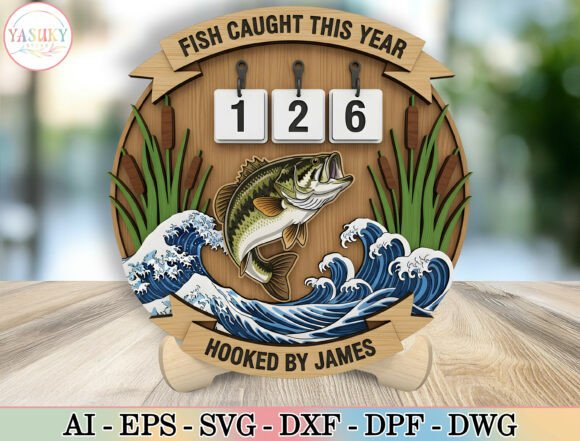
The core concept is simple but effective: tracking every proud catch with a unique "Fish Caught This Year" layout. It features a jumping bass fish, dynamic ocean waves, cattail reeds, and flip number tiles. While the description highlights its roots as a laser cutting project for Home Decor, my focus here is strictly on how this visual identity performs when adapted for machine embroidery design. Can this graphic survive the transition from flat vector to textured thread? Let’s dive into the practical realities of using this file for real-world projects.
First Impressions and Visual Personality
The moment you look at the composition of the Personalized Fishing Catch Counter SVG, the mood is immediately established. It isn’t just a generic fish outline; it captures motion. The jumping bass suggests energy, while the surrounding cattails and waves provide a natural frame. For an embroiderer, this layering is crucial. It gives us distinct zones for different stitch types, which prevents the final piece from looking like a muddy blob of thread.
Visually, the design feels rugged yet polished. It appeals directly to the outdoor enthusiast but maintains a clean aesthetic that fits well in modern rustic or coastal-themed interiors. The inclusion of "flip number tiles" is a clever detail. In a physical sign, these might be wooden blocks. In an embroidery file, they offer a fantastic opportunity to use contrasting thread colors or even applique techniques to make the numbers pop. This isn't just a decorative image; it is a functional tracker, which adds a layer of interactivity that customers love.
Real-World Application: From Screen to Stitch
Let’s talk about where this design truly shines. Imagine preparing a custom embroidered tote bag for a local fishing tournament or a boutique gift shop. The Personalized Fishing Catch Counter SVG translates exceptionally well to canvas or heavy-duty cotton totes. The bold lines of the bass and the organic curves of the waves create a balanced composition that doesn’t get lost on a large surface area.
I also see tremendous potential in sweatshirt embroidery. Picture a high-quality fleece pullover with the design centered on the chest or back. The contrast between the soft fabric texture and the structured satin stitches of the fish scales would look incredibly professional. This is the kind of custom apparel that sells itself because it tells a story. It’s not just a shirt; it’s a record of the angler’s season.
For those running an Etsy shop or selling at craft fairs, this design is a goldmine for personalized gifts. You can easily adapt the flip tiles to include the customer’s name or the specific year. A personalized gift like a baby onesie featuring a tiny version of this design could become a sentimental heirloom. Alternatively, consider using it on kitchen towels or aprons for the chef who loves to fish—the thematic connection between food (fish) and the hobby makes for a cohesive brand message.
Patches and Accessories
One of the most versatile applications is the embroidered patch. By isolating the jumping bass or the wave element, you can create a detachable badge for denim jackets, backpacks, or caps. The layered nature of the original SVG means you likely have separate elements for the fish, the water, and the text. This modularity allows you to resize components without losing clarity, ensuring the patch remains legible even in a small hoop size.
Technical Considerations and Potential Pitfalls
While the design is strong, no file is perfect out of the box. As a reviewer, I must highlight areas where caution is needed. The stitch density of the fill stitches in the fish body needs careful evaluation. If the density is too high, the fabric may pucker, especially on lighter materials. Conversely, if it is too low, the underlying fabric color might show through, ruining the vibrancy of the design.
Pay close attention to the small details. The cattail reeds and the edges of the flip tiles contain fine lines. On stretchy fabrics like jersey knit, these tiny details can distort unless you use a high-quality stabilizer and perhaps a tear-away backing for added support. Testing on scrap fabric is non-negotiable. Always check how the thread colors interact with your chosen fabric. A light blue fish on white fabric might lack definition, whereas navy on white offers striking contrast.
Another critical factor is the text. If the "Fish Caught This Year" lettering includes serifs or intricate flourishes, ensure the font size is large enough to remain readable after stitching. Tiny text often suffers from thread breakage or merging during the sewing process. For commercial embroidery projects, clarity is king. If a customer cannot read the message at a glance, the design fails its primary purpose.
Maximizing Value and Professionalism
Using the Personalized Fishing Catch Counter SVG effectively requires more than just hitting the start button. It demands thoughtful presentation. When creating printable mockups for your online store, showcase the design on various textures. Show it on a rough burlap sack to emphasize the rustic vibe, and on smooth cotton to highlight the precision of the stitches. This helps buyers visualize the final product and builds trust in your craftsmanship.
The versatility of this design also supports brand consistency. If you are building a craft business around outdoor themes, having a signature element like this jump-starts your identity. It signals to your audience that you understand their lifestyle. Furthermore, the "counter" aspect encourages repeat engagement. Customers might return to you for annual updates or matching family items, turning a one-time purchase into a long-term relationship.
Essential Pre-Flight Checklist
- Test on Scrap: Never run a full production order without a test stitch-out on the actual fabric type.
- Check Stabilizer: Ensure your stabilizer choice matches the weight and stretch of the garment.
- Review Density: Adjust stitch settings if the fill areas appear too thick or thin.
- Color Contrast: Verify that thread colors stand out against the fabric background.
- Licensing: Confirm whether your license allows for commercial sale of finished goods.
In conclusion, the Personalized Fishing Catch Counter SVG is a robust, visually appealing asset that bridges the gap between digital art and tangible craft. Its layered structure offers designers flexibility, while its thematic resonance connects deeply with a passionate niche. By approaching it with technical diligence—testing densities, choosing appropriate fabrics, and highlighting its personalization potential—you can transform this vector file into a standout finished product that customers will cherish. Whether you are adding it to your digital product portfolio or using it to launch a line of handmade merchandise, this design proves that good planning leads to great stitching.