Miniature Bookshelf Design Laser Cut for Home Decor Branding
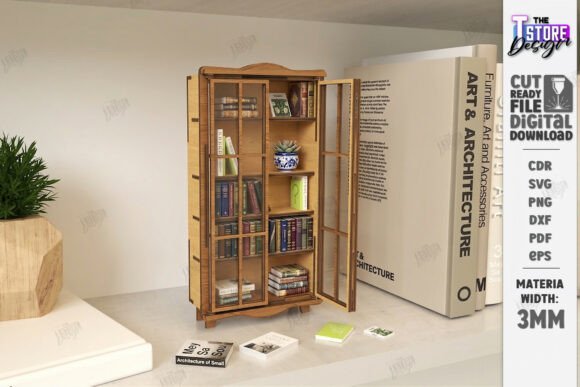
As a brand designer who has spent years helping local businesses establish their visual identity, I approach every new graphic design asset with a critical eye. We are not just looking for pretty pictures; we are looking for tools that communicate value, build trust, and elevate the customer experience. Recently, I evaluated a file titled Miniature Bookshelf Design Laser Cut, which falls under the categories of Home Decor and Laser Cutting. While its primary description points toward 3D dollhouse furniture templates and tiny library dioramas, its potential as a commercial design element for small business branding is far more significant than its literal subject matter suggests.
The Mood and Personality of the Asset
When I first opened the files associated with this miniature bookshelf design, the immediate impression was one of warmth, nostalgia, and curated craftsmanship. The intricate cut lines and the recognizable silhouette of a bookcase evoke a sense of intellectual comfort and cozy elegance. This is not a sterile, corporate logo. It feels handmade, organic, and deeply personal.
For a local business owner, this specific aesthetic is powerful. It suggests a brand personality that is friendly yet sophisticated, perhaps leaning towards rustic or boutique styles. It works exceptionally well for businesses that want to project an image of care and attention to detail. Whether you are selling artisanal goods, curating a vintage shop, or offering a service rooted in tradition, this design asset helps establish a visual hierarchy that prioritizes charm and authenticity over cold minimalism.
Real-World Application in Local Business Projects
To understand the true value of this asset, imagine I am working on a rebranding project for a local independent bookstore that also operates a small café. The goal is to create a cohesive brand identity that bridges the gap between reading and relaxation. Here is how the Miniature Bookshelf Design Laser Cut transforms into practical marketing visuals:
- Packaging Design: For the café’s take-away coffee sleeves or bakery boxes, this design serves as a beautiful decorative border. It signals to the customer that the product inside is crafted with the same care as a well-loved book.
- Product Labels: If the business sells branded merchandise like tote bags or mugs, this illustration can be printed on hang tags or woven labels, adding a tactile layer of professionalism to the unboxing experience.
- Social Media Graphics: In an era where digital presence drives foot traffic, using this PNG design as a frame for promotional posts creates instant recognition. It breaks up the visual noise of social feeds with something structured and inviting.
- Editorial Design: For menu cards or price lists, incorporating this laser cutting style adds texture without overwhelming the text. It supports the content rather than competing with it.
Elevating Business Presentation and Trust
One of the biggest challenges for small business branding is establishing credibility. Customers often judge the quality of a product by the quality of its presentation. By integrating high-quality design assets like this miniature bookshelf template, a business can achieve several key objectives:
- Stronger First Impression: A polished visual identity immediately separates a professional brand from an amateur operation.
- Better Product Recognition: Consistent use of specific motifs helps customers remember your brand when they see it on shelves or online.
- Improved Customer Trust: Attention to detail in your graphics suggests attention to detail in your products.
- Emotional Connection: Nostalgic imagery triggers positive emotions, making customers feel more connected to the story behind the brand.
This is particularly relevant for handmade sellers and creative entrepreneurs who rely on storytelling. The Miniature Bookshelf Design Laser Cut tells a story of leisure, learning, and home comfort. When applied to product mockups or website banners, it reinforces the narrative that your brand is part of the customer’s lifestyle, not just a transaction.
Strategic Placement and Visual Hierarchy
While this asset is versatile, it must be used with strategic intent. In graphic design, we always consider the context. This design works best as a supporting element or a hero graphic in areas where space allows for breathing room. It is perfect for decorative brand elements, seasonal packaging accents, or as a standalone icon for a "new arrival" section on a digital storefront.
However, there are situations where this asset should be used carefully. Because the design features intricate cut lines, it can become muddy if scaled down too much. Therefore, it is not ideal for very small labels or ingredient-heavy layouts where legibility is paramount. Avoid placing it in legal information areas or on low-contrast backgrounds where the details might get lost. Furthermore, luxury minimalist brands that rely on stark white space and heavy typography might find this design too ornate, as it competes for attention rather than receding into the background.
Practical Designer Notes for Implementation
Before committing to this asset for client work or physical product sales, here are the technical steps any savvy entrepreneur or marketer should take:
- Test on Real Mockups: Never judge a design asset solely on a white screen. Place it on a cardboard box, a glass jar, or a business card mockup to see how it interacts with different textures and materials.
- Check Black and White Usage: Ensure the design holds up in monochrome. If the intricacy relies entirely on color, it may fail in cost-effective printing methods like single-color stamping or embossing.
- Font Pairing: Test the illustration beside various font styles. A serif font can enhance the classic, literary feel, while a clean sans serif font can modernize it. Avoid pairing it with overly playful handwritten fonts unless the brand voice is intentionally whimsical.
- Vector vs. Raster: Confirm whether you have access to the SVG design for scalability. If you only have a PNG design, ensure the resolution is high enough for large-format prints like posters or window decals.
- Commercial Licensing: This is critical. Before using this asset for small business branding, verify the commercial license. Using a design intended for personal dollhouse projects in a commercial capacity can lead to legal issues. Ensure the creator permits use in physical product sales and digital marketing materials.
Final Thoughts on Creative Integration
The Miniature Bookshelf Design Laser Cut is more than just a file for a hobbyist; it is a versatile component for building a rich, textured brand identity. For local businesses in the Home Decor sector, or those looking to add a touch of literary charm to their packaging design, this asset offers a unique opportunity to stand out. It allows marketers and designers to craft marketing visuals that feel curated and intentional.
Whether you are updating your Canva template library, designing a new line of printable inserts, or creating a cohesive look for your creative marketplace shop, this design provides a solid foundation. By respecting its intricate nature and applying it with strategic restraint, you can transform a simple illustration into a powerful tool for professional branding. It reminds us that in the world of small business, the smallest details often make the loudest statement.