No Cupid Zone Photo Frame Shadow Review
As a designer who spends half the day digitizing and the other half troubleshooting stitch errors, I don’t just buy embroidery files; I stress-test them. The No Cupid Zone Photo Frame Shadow caught my eye not because it’s another generic Valentine’s Day clipart, but because of its specific application as a layered shadow box project. It promises a bit of humor mixed with nostalgia, which is a tricky balance to strike in thread. After evaluating this design for potential use in client projects, small business merchandise, and personalized gifts, here is my honest breakdown of how it performs in real-world embroidery scenarios.
First Impressions: Mood and Visual Personality
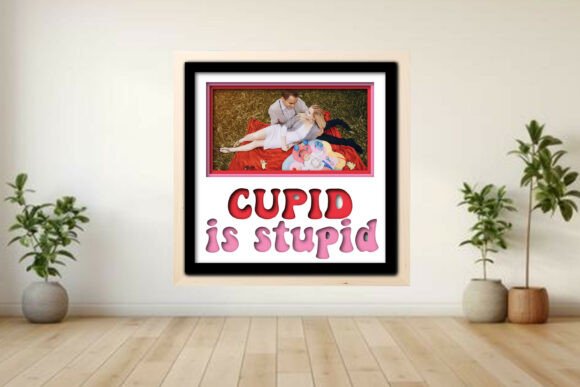
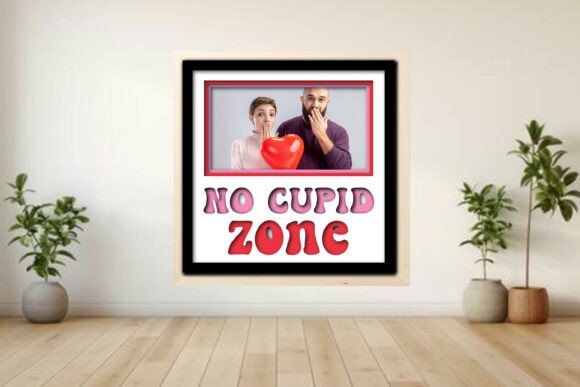
The name alone sets a tone that is both relatable and slightly rebellious. For crafters and Etsy sellers looking to tap into the "single life" or "anti-romance" niche without being overly cynical, this design hits a sweet spot. Visually, the concept relies on the idea of a frame—empty, perhaps, or holding a memory that isn’t romantic. This gives the embroiderer creative freedom. Unlike dense floral patterns that can look cluttered when stitched, a frame-based design allows the fabric texture to become part of the artwork.
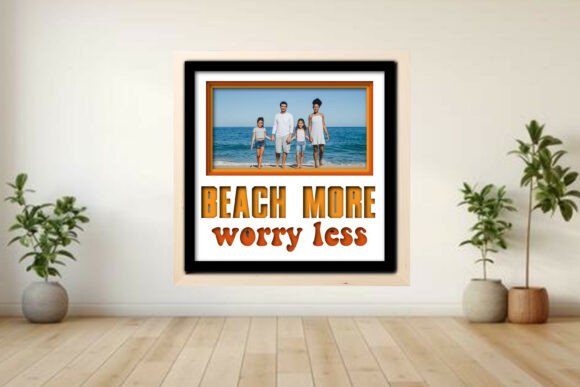
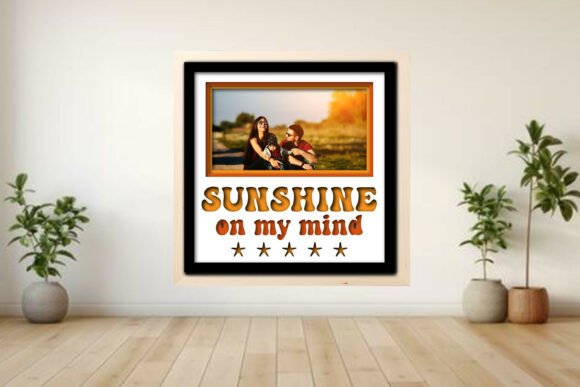
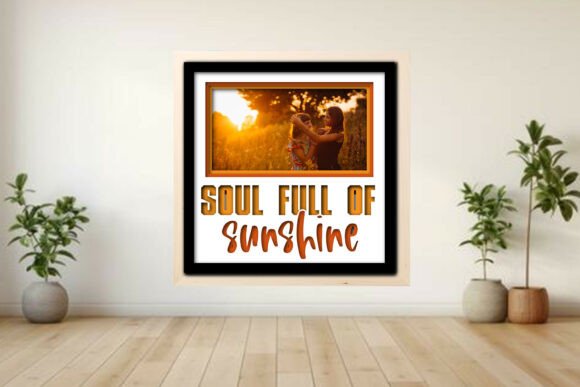
The layout feels clean and modern. It doesn’t scream for attention with excessive detail; instead, it invites the viewer to fill in the blanks. This makes it an excellent candidate for personalized gift items where the customer might add their own photo digitally before printing or choose to leave the center open for a custom monogram. The visual personality is confident and playful, making it suitable for a wide range of demographics, from college students to busy professionals who appreciate a touch of wit in their accessories.
Real-Life Application: Where Does This Design Shine?
In my experience, the success of an embroidery project often depends on the substrate. The No Cupid Zone Photo Frame Shadow is versatile enough to work across several categories, but some applications will yield better results than others.
- Tote Bags and Canvas Totes: This is arguably the strongest use case. A sturdy canvas tote provides the perfect stable base for the frame outline. The contrast between the heavy fabric and the smooth threads creates a professional finish. It transforms a simple bag into a statement piece for an Etsy seller or boutique branding.
- Sweatshirt Embroidery: Hoodies and crewnecks are staples in the handmade market. Placing this design on the back pocket or centered on the chest works well. However, you must ensure your stabilizer choice is robust enough to prevent puckering on the thicker knit fabric.
- Baby Embroidery and Nursery Decor: While the phrase "No Cupid Zone" might seem mature, the frame aspect makes it adaptable. If used on a baby blanket or nursery wall art, it could be interpreted as "no romance needed, just baby love." It’s a unique angle for holiday embroidery gifts that stand out from traditional heart motifs.
- Custom Apparel and Aprons: For kitchen towels or aprons, this design adds a humorous touch to home goods. It fits the vibe of a trendy coffee shop or a quirky kitchen aesthetic.
Technical Performance and Stitch Clarity
When evaluating any machine embroidery design, clarity is king. The No Cupid Zone Photo Frame Shadow appears to rely heavily on clean lines rather than complex shading. This is a smart approach for mass production or high-volume orders because it reduces machine time and thread consumption.
The satin stitch edges of the frame need to be crisp. If the underlay is too aggressive, the frame might distort; if it’s too light, the edge might look fuzzy. Based on typical shadow box structures, I recommend checking the density settings carefully. You want the frame to hold its shape without becoming stiff and cardboard-like. The interior of the frame, if left blank or lightly filled, should allow the fabric texture to show through, adding depth to the final product.
One area to watch is the text integration. If the design includes the words "No Cupid Zone," legibility is paramount. Small lettering on curved surfaces like caps or rounded tote corners can suffer from distortion. Always inspect these areas closely. If the text is integrated into the frame border, ensure the curve radius is large enough to maintain readability.
Where to Use Caution
No design is perfect for every situation. There are specific constraints where the No Cupid Zone Photo Frame Shadow might struggle:
- Small Hoop Sizes: If you are working with very small hoops (like 4x4 inches), the entire composition might feel cramped. Ensure the design scales down properly without losing definition in the corners.
- Textured or Stretchy Fabrics: Avoid using this on highly textured fabrics like bouclé or loose-weave knits unless you use a heavy-duty cut-away stabilizer. The frame lines may disappear into the fabric weave. Similarly, stretchy jersey knits require careful hooping to prevent the frame from warping during stitching.
- Dense Stitch Areas: If the design attempts to fill the frame with dense fill stitch patterns, it may become too thick for lightweight garments. Stick to lighter fills or leave the center open for maximum versatility.
- Dark Fabric Backgrounds: On dark fabrics, you will need a substantial number of thread colors to achieve good coverage, especially if the frame has white or light elements. This increases cost and run time. Consider using a contrasting thread color for the frame to make it pop against dark backgrounds.
Design Assets and Commercial Viability
For digital product sellers and craft business owners, the value of this design lies in its adaptability. It serves as a strong foundation for a series of products. You can create matching sets: a tote bag, a matching pillow cover, and a digital printable mockup for social media marketing.
The "shadow box" aspect suggests layering. In embroidery, this can be simulated by using different thread textures or by combining applique techniques. If the file includes applique design components, it opens up opportunities for more advanced finishing techniques that increase the perceived value of the finished product. Customers are often willing to pay a premium for items that look intricate and well-crafted.
However, before listing this as a commercial embroidery item, verify the licensing terms. Many embroidery files come with restrictions on how many finished units you can sell. As a responsible Etsy seller or small shop product creator, you must ensure you have the right to sell physical goods made from this design. If you plan to offer it as a digital embroidery file for download, separate licensing usually applies.
Practical Designer Notes for Execution
To get the best result from the No Cupid Zone Photo Frame Shadow, follow these practical steps:
- Test on Scrap Fabric: Never go straight to the final garment. Test the design on the exact fabric you plan to use. Check for puckering, thread breaks, and alignment issues.
- Check Thread Color Contrast: Run a black-and-white mockup of your design. This helps you see if the frame stands out clearly against the background fabric. Adjust thread choices if the contrast is too low.
- Inspect Small Details: Zoom in on the digitized file. Look for tiny jump stitches or unanchored ends that might cause snags. Trim these carefully after stitching.
- Confirm Hoop Size: Ensure your machine’s hoop size accommodates the design dimensions with a margin for error. Centering is crucial for symmetrical designs like frames.
- Review Stitch Density: High-density stitches can damage delicate fabrics. Lower the density if necessary, or switch to a lighter stabilizer if the fabric supports it.
Ultimately, the No Cupid Zone Photo Frame Shadow is a clever, marketable design that balances humor with utility. It works best when paired with high-quality fabrics and proper stabilization techniques. For designers looking to expand their catalog with unique, conversation-starting pieces, this design offers a solid foundation for creating memorable handmade products and engaging custom apparel options.