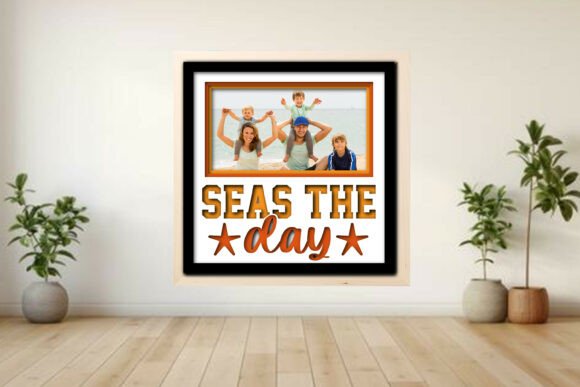
Seas the Day Photo Frame Shadow Embroidery Review
As a designer who spends more time than I care to admit staring at stitch density charts and testing thread tension, I approach every new embroidery file with a healthy dose of skepticism. The market is saturated with designs that look great in a digital mockup but fall apart under the needle. That is why I took a close look at the Seas the Day Photo Frame Shadow design before committing it to my production queue. This isn't just another generic nautical clipart file; it is a layered shadow box project designed for versatility across laser cutters like Glowforge and cutting machines like Cricut, but its potential as a machine embroidery design is where things get interesting for us crafters.
First Impressions: Mood and Visual Personality
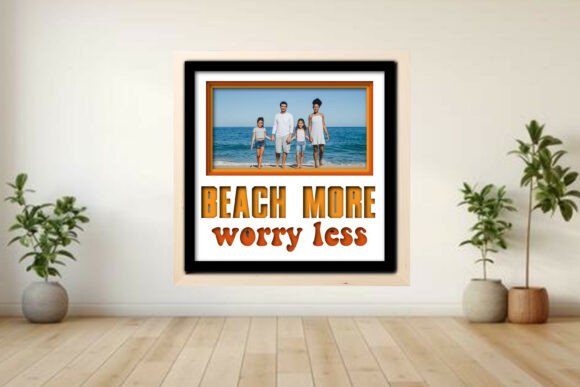
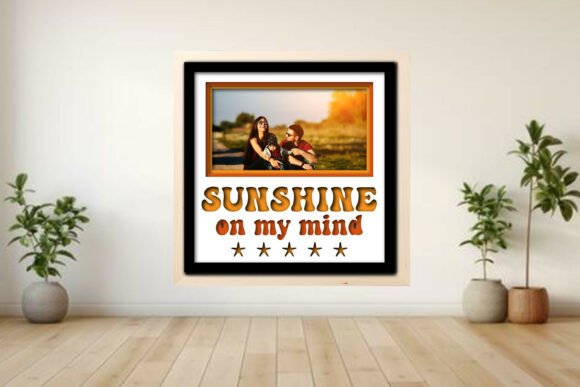
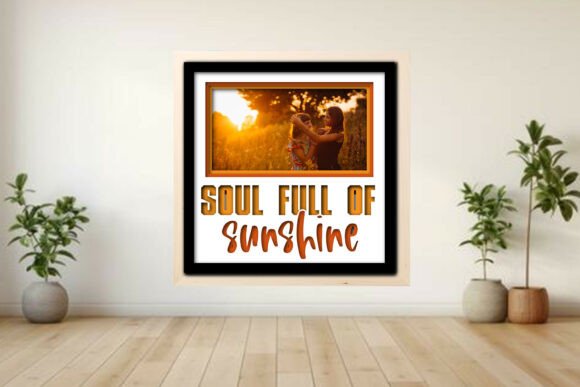
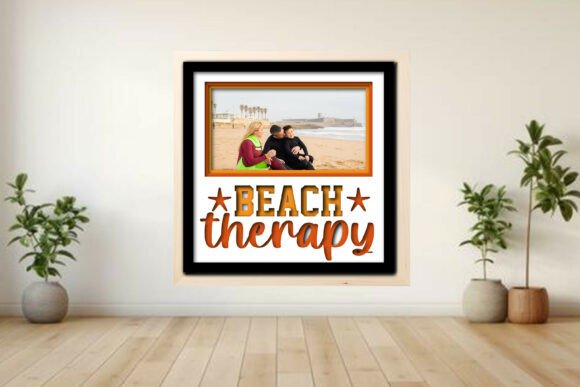
The moment you open the file, the layout speaks to a specific aesthetic: coastal charm meets modern minimalism. The "Seas the Day" theme is ubiquitous in the handmade world, but execution is everything. This design avoids the cluttered, cartoonish trap that plagues many nautical files. Instead, it offers a clean, structured frame that suggests memory-keeping rather than just decoration. It feels calm, intentional, and highly suitable for personalized gifts.
Visually, the design relies on strong geometric lines and open negative space. For an embroiderer, this is a blessing. It means your eye isn't fighting against a chaotic background to find the focal point. The mood is relaxed yet polished, making it an excellent choice for boutique branding or high-end personalized gift items. It doesn't scream for attention; it invites the viewer to look closer, which is exactly what you want when selling handmade products online.
Real-World Application: From Screen to Stitch
I recently tested this concept on a custom order for a client who wanted a nursery-themed keepsake. While the original description highlights its compatibility with laser and vinyl tools, the structural integrity of a shadow box frame translates beautifully to embroidery when done right. Imagine this design stitched onto a heavy-duty canvas tote bag or a thick cotton sweatshirt. The layered nature of the design allows for depth, mimicking the physical layering of a shadow box without the bulk.
For small business owners and Etsy sellers, this design solves a common problem: how to create a premium feel without complex machinery. By using this as a guide for applique design techniques or combining it with dense fill stitch areas, you can create a finished product that looks professionally engineered. I envision this working exceptionally well on baby clothes, where the soft curves of the frame contrast nicely with the crisp lettering of "Seas the Day." It adds a touch of sophistication to baby embroidery projects that parents are willing to pay a premium for.
Furthermore, the versatility of the file means it can serve multiple roles. You aren't limited to just one type of craft business. This could be adapted into an embroidered patch for denim jackets, integrated into a set of kitchen towels for a housewarming gift, or even used as a central element on a pillow cover for a beach house rental. The key is recognizing that the design acts as a container for memories—literally and figuratively—which resonates deeply with buyers looking for meaningful custom apparel.
Strategic Placement and Fabric Considerations
Not every fabric plays nice with every design, and the Seas the Day Photo Frame Shadow has specific requirements to shine. Because it is a frame-based design, the surrounding fabric becomes part of the composition. On dark fabrics, the contrast needs to be sharp. If you are stitching this on a navy blue hoodie, using white or metallic gold threads will make the frame pop, whereas a similar navy thread might disappear into the background.
I strongly advise caution when placing this design on curved surfaces like caps or hats. The flat, geometric nature of a shadow box frame can distort if the hoop tension isn't perfectly calibrated on a curved brim. Similarly, avoid thin or stretchy knits unless you are using a heavy-duty stabilizer. The risk of puckering is real, and no amount of post-stitch steaming can fix a warped frame. For the best results, stick to stable woven fabrics like cotton twill, linen, or denim.
Another area to watch is the stitch density. If the design includes intricate details within the frame borders, ensure your machine can handle the load without breaking needles or tangling threads. Testing on scrap fabric first is non-negotiable. Check how the satin stitch edges hold up against the fabric texture. On coarse burlap or heavily textured weaves, fine details may get lost, so you might need to simplify the design or increase the scale.
Design Assets and Commercial Viability
For those selling digital embroidery file assets or finished goods, understanding the visual appeal of this design is crucial. It conveys professionalism and trust. A buyer scrolling through Etsy listings is more likely to click on a product that looks cohesive and well-executed. This design supports that goal by providing a clear, recognizable structure that works across various design assets.
It also enhances brand consistency. If your shop specializes in coastal or travel-themed merchandise, having a versatile frame design like this allows you to rotate photos or text while maintaining a unified look. It’s a smart way to streamline your production process while keeping your Etsy seller storefront fresh. Whether you are creating holiday embroidery collections or seasonal summer gear, this design fits naturally into the narrative without feeling forced.
Practical Designer Notes for Execution
Before you hit the start button, there are several technical checks to perform. First, always review the hoop size constraints. Ensure your embroidery machine’s hoop can accommodate the full width and height of the frame without trimming essential elements. Second, inspect the small details. Are there tiny anchors or decorative accents that might shred during washing? If so, consider reinforcing them with additional passes or adjusting the thread path.
Color planning is equally important. Test your thread colors against your actual fabric swatches. Digital screens can be deceiving, especially with pastels and light blues often associated with ocean themes. Use a black and white filter on your mockups to check contrast levels. If the design lacks definition in grayscale, it will likely struggle in color too.
Finally, confirm licensing terms. Even though this is described as a fun, easy project, commercial use rights vary. If you plan to sell the finished product, verify that you have the appropriate license for both the digital file and any physical materials used. This protects your small shop product from legal issues and ensures you can focus on what you do best: creating beautiful work.
In conclusion, the Seas the Day Photo Frame Shadow is a thoughtful, well-structured addition to any designer’s library. It balances aesthetic appeal with practical functionality, making it a strong candidate for everything from personal hobbies to large-scale commercial embroidery runs. With careful attention to fabric choice, stabilizer selection, and thread contrast, this design can help you create memorable, high-quality pieces that customers will cherish.