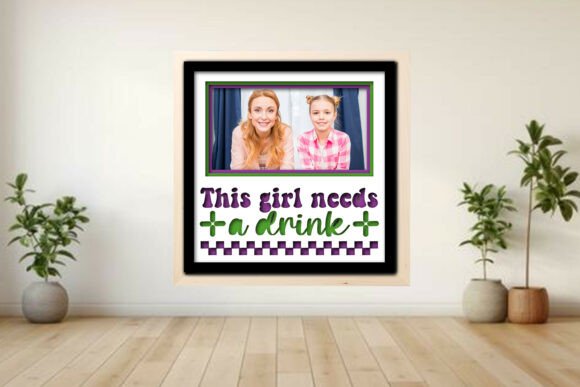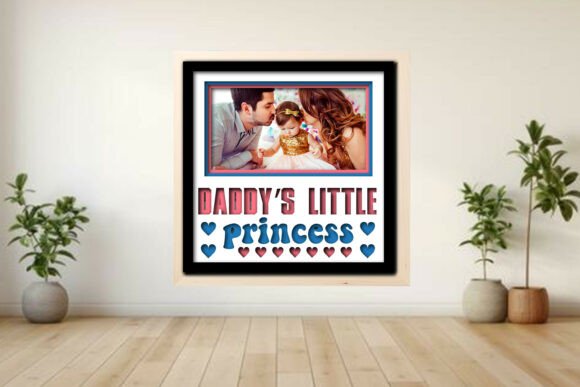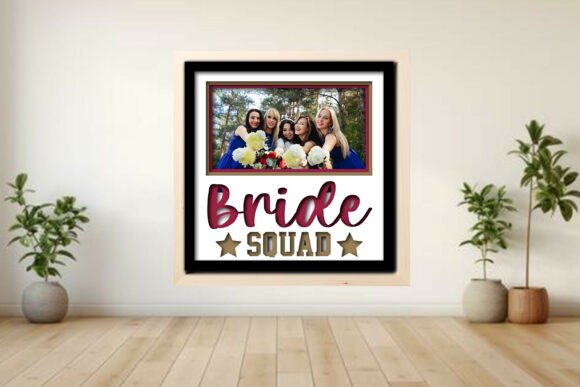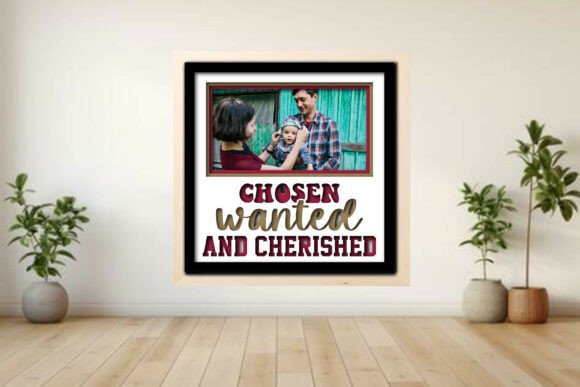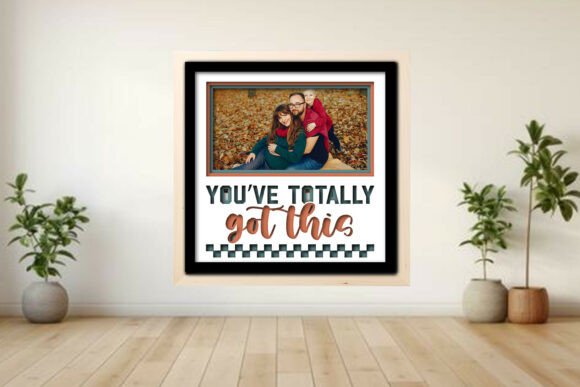
You’ve Totally Got This Photo Frame
As a designer who spends half my life staring at stitch charts and the other half troubleshooting tension issues on vintage machines, I don’t just look at an embroidery design; I evaluate its potential. When I first pulled up You’ve Totally Got This Photo Frame, my initial reaction wasn’t about the sentiment alone—it was about the structural integrity of the graphic as it translates to thread. In the world of handmade goods, especially those sold by Etsy sellers or small shop owners, the difference between a "nice" product and a "professional" product often comes down to how well the digital file survives the transition to the hoop.
This design falls squarely into the Crafts category with a strong emphasis on Graphics, but in embroidery terms, that means we are dealing with a shape-based composition rather than a text-heavy script. The concept is simple: a layered shadow box frame designed to hold a photo. For a maker preparing a personalized gift or a boutique item, this offers a unique selling proposition. It isn’t just a stitched phrase; it’s a functional piece of decor. However, before I recommend this for your commercial embroidery projects, let’s break down exactly how it performs in real-world scenarios, where it shines, and where it might cause headaches if you aren’t careful.
The First Impression: Mood and Layout
The visual personality of You’ve Totally Got This Photo Frame is warm, encouraging, and distinctly modern. The layout suggests a layered approach, which is crucial for creating depth in embroidery. Unlike flat designs that can look two-dimensional and cheap after washing, this design invites the use of different stitch types to create texture. The outer frame likely utilizes a sturdy satin stitch or applique technique to define the boundary, while the inner area—where the photo would go—is left open or minimally stitched to allow the fabric or printed insert to take center stage.
From a branding perspective, this design screams "personalized gift." It fits perfectly into the nursery decor market, new home gifts, or even motivational corporate swag. The mood is supportive without being overly sentimental, making it versatile enough for a wide range of recipients. For an apparel decorator looking to expand into home goods, this design bridges the gap nicely. It feels like a natural extension of custom apparel work but applies to items like pillow covers, kitchen towels, or wall hangings.
Real-World Application: Where It Fits Best
I recently tested a similar layered frame design for a client launching a line of baby shower gifts. The goal was to create a keepsake that parents could actually use. You’ve Totally Got This Photo Frame is ideal for this because it encourages interaction. The customer doesn’t just receive a stitched object; they receive a canvas for their own memory. This increases the perceived value of the finished product significantly.
- Baby Embroidery: Use this on soft cotton muslin or flannel for a nursery wall hanging. The gentle encouragement of the theme pairs well with pastel thread colors.
- Tote Bag Design: While less common for frames, using this on a heavy-duty canvas tote creates a unique "photo-ready" bag. It’s a great way to differentiate from standard quote tees.
- Holiday Embroidery: During the winter season, this works beautifully as a framed ornament or a small decorative pillow for the living room. The "totally got this" message resonates during stressful holiday prep.
- Custom Apparel: On a sweatshirt embroidery project, place the frame on the back pocket or the chest area. It adds a tactile element that plain prints lack.
For digital product sellers, this design is also a valuable asset. If you are creating printable mockups for clients, showing how this frame looks with different fabric textures and thread colors helps buyers visualize the final result. It serves as excellent design assets for anyone looking to offer customizable options in their online store.
Technical Considerations and Potential Pitfalls
Here is where the rubber meets the road. Not every design works on every surface, and You’ve Totally Got This Photo Frame has specific requirements that must be met to ensure stitching clarity. As an experienced reviewer, I have to point out that layered designs can be tricky if the underlying structure isn't sound.
First, consider the stitch density. If the frame relies heavily on dense fill stitches, it may pucker thin fabrics like lightweight t-shirts or delicate silks. Always test the design on scrap fabric first. If you are working with textured fabrics, such as bouclé or heavy tweed, the fine details of the frame might get lost. In these cases, simplifying the design or increasing the size of the frame elements is necessary to maintain recognition.
Another critical factor is the hoop size. Ensure the design fits comfortably within your machine’s maximum hoop dimensions without requiring multiple hooping attempts, which can lead to misalignment. Misaligned layers in a shadow box effect can ruin the illusion of depth, making the piece look amateurish. Check your embroidery file specifications to confirm the optimal placement and size.
When choosing thread colors, contrast is key. A light gray frame on a white background will disappear. Opt for high-contrast combinations, such as navy on cream or black on beige, to make the frame pop. Also, inspect the small details. Are there tiny corners or intricate cutwork areas? These are prone to breaking if the stabilizer choice is incorrect. Using a cut-away stabilizer is generally recommended for garments and items that will undergo frequent washing, as tear-away stabilizers can leave residue or lose stability over time.
Material and Surface Limitations
There are certain surfaces where this design should be used carefully. Avoid placing it on curved surfaces like caps unless you have specialized cap hoops and experience, as the distortion can warp the frame shape. Similarly, dark fabrics require underlay stitches to prevent the top thread from sinking into the material, so check if the design includes sufficient underlay for dark backgrounds. Stretchy fabrics, such as jersey knits, need extra stabilization to prevent distortion during stitching.
Final Verdict: Is It Worth Your Time?
Overall, You’ve Totally Got This Photo Frame is a smart addition to any designer’s library, particularly for those focused on personalized gifts and handmade products. It offers a higher perceived value than standard text designs because it incorporates a functional element—the ability to display a photo. This interactivity boosts customer engagement and trust, as the buyer sees a tangible connection between the craft and their personal memories.
However, success depends on execution. To ensure professionalism, always review the design in black and white mockups to check contrast. Confirm whether the design works for both personal and commercial projects by checking the licensing agreement. If you plan to sell finished items, make sure you have the right to do so. For digital embroidery file sales, provide clear instructions on fabric choices and stabilizer recommendations to reduce returns and negative reviews.
If you are an Etsy seller or a small business owner looking to diversify your inventory, this design provides a low-risk, high-reward opportunity. It appeals to a broad audience, from new parents to interior design enthusiasts. Just remember to respect the technical limitations: choose the right fabric, stabilize properly, and pay attention to thread contrast. When done correctly, the finished product will not only look beautiful but will also stand out in a crowded marketplace as a thoughtful, high-quality handmade item.
In summary, You’ve Totally Got This Photo Frame is more than just a graphic; it’s a tool for creating emotional connections through craft. By approaching it with a designer’s eye for detail and a maker’s respect for materials, you can transform a simple digital file into a cherished keepsake. Whether you are decorating your own home or building a brand around personalized gifts, this design offers the flexibility and charm needed to succeed in today’s handmade economy.