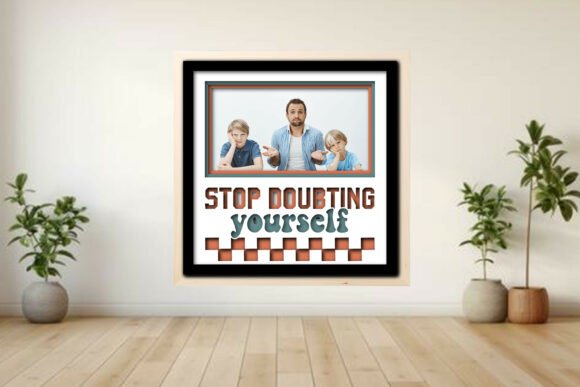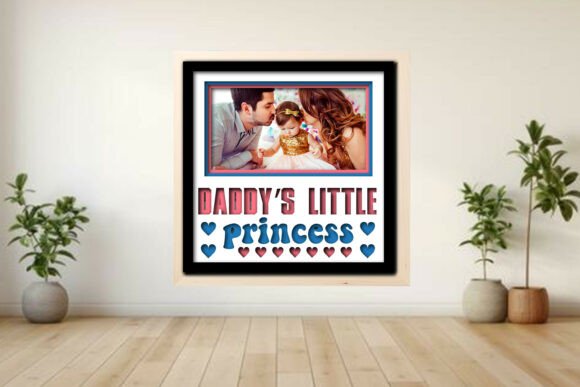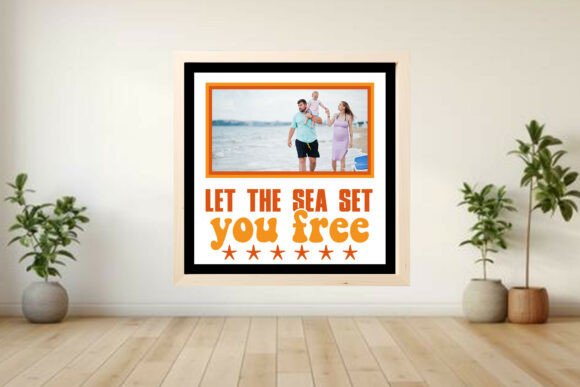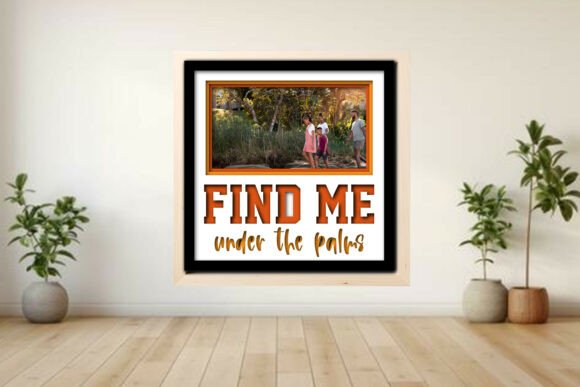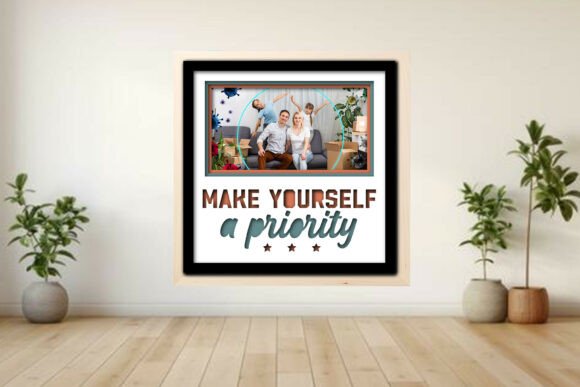
Make Yourself a Priority Photo Frame Review
In the world of handmade commerce and personal crafting, few things capture attention quite like a well-executed layered design. As an embroidery designer who spends hours evaluating file quality, stitch placement, and visual impact for both client work and my own shop, I recently took a close look at the Make Yourself a Priority Photo Frame design. This piece falls squarely into the Crafts category under Graphics, but its potential extends far beyond simple decoration. It is a statement piece that speaks to self-care, memory keeping, and thoughtful gifting. Below is my practical evaluation of how this design performs in real-world application, from initial stitching impressions to final product presentation.
First Impressions: Mood and Visual Personality
The moment you load the Make Yourself a Priority Photo Frame into your digitizing software, the intent of the design becomes clear. It is not merely a border; it is a framing device for life’s moments. The typography carries a warm, encouraging tone, while the structural elements suggest a shadow-box aesthetic. For designers accustomed to busy, all-over prints, this design offers a refreshing breath of air. It relies on negative space effectively, allowing the text to breathe while providing ample room for photo inserts or focal embellishments.
Visually, the design feels balanced. The curves of the frame soften the message, making it approachable rather than rigid. This is crucial for the target audience of this phrase—individuals seeking comfort, motivation, or a gentle reminder amidst daily chaos. From a branding perspective, this design aligns perfectly with boutique aesthetics, minimalist nursery decor, and modern home goods. It does not scream for attention; instead, it invites the viewer to pause and reflect. That subtle emotional connection is often what drives sales in the handmade market, particularly for items intended as gifts.
Real-World Application: Where This Design Shines
When considering where Make Yourself a Priority Photo Frame fits best, several high-value categories emerge immediately. Its versatility allows it to transcend standard apparel and enter the realm of specialized handmade products.
- Custom Apparel and Accessories: While the phrase might seem large for a standard chest placement, it works beautifully on oversized tote bags or back-of-sweatshirt graphics. On a canvas tote, the design can serve as a backdrop for a small pocket or a secondary logo, creating a layered look that feels curated and expensive.
- Baby and Nursery Items: This is perhaps the strongest use case. Embroidering this onto a baby blanket, muslin cloth, or nursery wall hanging creates a deeply sentimental item. Parents are constantly looking for personalized gifts that convey love and mindfulness. A framed quote on a quilted blanket elevates the perceived value significantly compared to a plain textile.
- Home Decor and Kitchen Textiles: Tea towels, aprons, and pillow covers are excellent candidates. The design’s graphic nature ensures it remains legible even when viewed from a distance. In a kitchen setting, a tea towel featuring this message adds a touch of personality without overwhelming the space.
- Commercial Embroidery Projects: For Etsy sellers and small business owners, this design is a commercial goldmine. It can be used to create matching sets for bridesmaids, new moms, or corporate wellness packages. The "priority" theme resonates with professionals seeking balance, making it suitable for branded merchandise that employees actually want to wear or use.
Technical Performance and Stitching Considerations
No matter how beautiful a design looks on screen, its true worth is determined by how it stitches out. When evaluating Make Yourself a Priority Photo Frame, several technical factors come into play regarding stitch density, fabric choice, and hoop size.
Stitch Density and Clarity: The text within the frame requires clean satin stitches to remain readable. If the stitch density is too low, the letters may appear sparse or thread-bare, especially on textured fabrics. Conversely, if the density is too high, the fabric may pucker, distorting the frame’s shape. Designers should inspect the vector paths closely to ensure smooth transitions between letterforms. Testing the design in black and white mockups helps verify that the contrast between the text and the background fabric will hold up in reality.
Fabric Texture and Stability: This design performs best on stable, medium-weight fabrics such as cotton canvas, denim, or tightly woven linen. Avoid using it on highly textured fabrics like chunky knits or loose weaves, as the needle penetration can become inconsistent, leading to skipped stitches or misalignment. Similarly, stretchy fabrics require proper stabilizer support to prevent distortion during the hooping process. A cut-away stabilizer is often recommended for larger designs like this to maintain integrity over time, especially for items that will undergo frequent washing.
Hoop Size and Placement: Ensure your machine’s hoop accommodates the full width of the frame design. Attempting to split the design across multiple hoops can introduce alignment errors that ruin the symmetry. If the design exceeds your machine’s capacity, consider scaling it down slightly, but be cautious not to reduce the detail so much that the text becomes illegible. Always test the design on scrap fabric first to confirm fit and tension.
Areas of Caution
While versatile, there are specific scenarios where Make Yourself a Priority Photo Frame may present challenges:
- Small Hoop Sizes: Trying to cram this design into a small hoop (4x4 inches or smaller) will likely result in cramped details and loss of visual impact. Reserve this design for mid-to-large hoop applications.
- Dense Stitch Areas: If the design includes heavy fill stitches around the border, it may add unnecessary weight to lightweight garments like thin t-shirts. In such cases, opt for lighter thread weights or adjust the stitch type to running stitch where possible.
- Curved Surfaces: Applying this design to curved surfaces like caps or fitted hats requires advanced technique. The flat geometry of the frame may not conform well to curvature without significant distortion. It is better suited for flat panels or detachable patches.
- Dark Fabrics: Ensure sufficient thread color contrast. Light-colored threads on dark backgrounds may require underlay stitches to prevent the base fabric from showing through, adding complexity to the digitizing process.
Impact on Product Value and Customer Trust
From a business standpoint, the quality of execution directly influences customer trust. A poorly stitched version of Make Yourself a Priority Photo Frame can look cheap and hastily made, undermining the brand’s reputation. However, a meticulously executed version signals professionalism and care.
Customers are increasingly discerning. They notice uneven tension, loose threads, and misaligned elements. By prioritizing precision—checking thread colors, confirming hoop size, and inspecting small details—you demonstrate respect for the craft and the buyer. This attention to detail fosters repeat business and positive reviews, which are essential for growth in competitive markets like Etsy or craft fairs.
Furthermore, the design’s thematic resonance enhances giftability. When customers purchase a personalized gift featuring this message, they are buying into an emotion. Your role as the maker is to deliver that emotion flawlessly. Whether it is a custom sweatshirt for a stressed student or an embroidered patch for a mentor’s bag, the finished product should feel intentional and polished.
Final Verdict for Designers and Makers
The Make Yourself a Priority Photo Frame is a strong addition to any digital embroidery library. Its blend of motivational messaging and graphic structure makes it adaptable across a wide range of products, from personal keepsakes to commercial merchandise. Success lies in careful preparation: test thoroughly, choose appropriate materials, and respect the design’s spatial requirements.
For those selling finished goods, remember to review licensing terms before offering digital files or physical products. Ensure that the design assets are used ethically and legally. By combining technical proficiency with creative vision, you can transform this simple frame into a centerpiece of heartfelt, high-quality handmade art.