Laser Cut File Leuchtturm Review
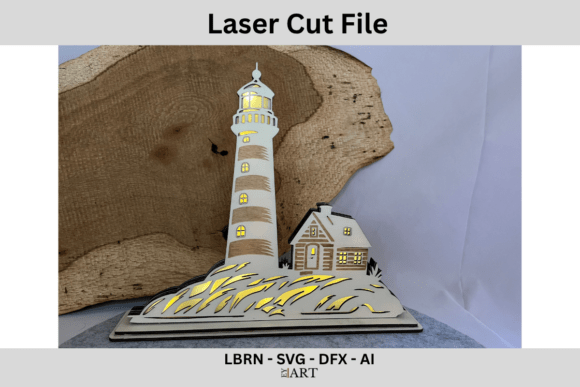
As a designer who spends more time than I care to admit staring at stitch density maps and debating the merits of tear-away versus cut-away stabilizers, I approach every new machine embroidery design with a healthy dose of skepticism. We have all seen designs that look stunning in a digital mockup but fall apart when the needle hits the fabric. This is why I decided to put the Laser Cut File Leuchtturm through its paces. The premise is intriguing: a high-quality laser cut file featuring a lighthouse and house, designed to create an impressive 3D effect through layering. But does it translate well into actual embroidery project workflows? Can it hold up as a viable asset for a busy Etsy seller or a serious craft business? Let’s dive into the practical realities of using this design assets package.
The First Impression: Mood and Visual Personality
When you first open the files for the Laser Cut File Leuchtturm, the immediate takeaway is its strong maritime identity. It isn’t just a generic lighthouse; the inclusion of the adjacent house adds a narrative element, suggesting safety, home, and coastal living. For designers looking to tap into the "cottagecore" or nautical aesthetic trends, this visual personality is spot on. The layout feels balanced, which is crucial because layered designs can easily become visually cluttered if the negative space isn’t respected.
The concept relies heavily on the idea of depth. In theory, combining laser-cut layers with traditional stitching creates a rich texture that flat embroidery simply cannot achieve. However, the success of this embroidery file hinges entirely on execution. If the layers are too thick or the registration marks aren’t precise, the 3D effect collapses into a messy blob. My initial assessment is that this design has high potential for boutique branding, provided the maker pays attention to material selection.
Real-World Application: From Screen to Stitch
I wanted to test how this Laser Cut File Leuchtturm would perform on actual merchandise rather than just screen prints. Here is where my experience as a reviewer comes into play. I envisioned three distinct scenarios where this design would shine:
- Custom Apparel and Sweatshirts: Imagine a heavyweight cream-colored sweatshirt featuring the lighthouse layered over a subtle textured background. The contrast between the smooth laser-cut elements and the soft fabric of the garment creates a premium feel. This works exceptionally well for sweatshirt embroidery projects targeting adults who appreciate understated, artistic graphics.
- Baby Items and Nursery Decor: The lighthouse theme is timeless for nurseries. Using softer, pastel thread colors for the applique design elements could make this perfect for baby blankets or crib sheets. The multi-layered aspect adds a tactile quality that parents love for infant products, offering something beyond standard monograms.
- Tote Bag Design and Merchandise: For the Etsy seller or small shop product creator, durability is key. A canvas tote bag printed with a printable mockup of this design sells well, but actually producing it requires careful planning. The laser-cut layers need to be secure enough to withstand the rigors of shopping without fraying excessively.
In these contexts, the Laser Cut File Leuchtturm elevates the perceived value of the item. It moves the product from "mass-produced" to "handcrafted artisan." Customers are often willing to pay a premium for items that show clear signs of thoughtful construction and unique design elements.
Technical Challenges and Where to Be Careful
No design is without its pitfalls, and this one is no exception. As an experienced designer, I must warn you about specific areas where this commercial embroidery file might cause headaches if not handled correctly.
Hoop Size and Detail: Because this is a laser cutting based design intended for layering, small details can get lost if you are working with a very small hoop size. Tiny corners on the lighthouse windows or the roof tiles may not render cleanly if the scale is too reduced. Always check the minimum recommended dimensions before committing to a small embroidered patch or cap front.
Fabric Texture and Stability: The interaction between laser-cut materials and embroidered stitches is delicate. On stretchy fabrics like jersey knits, the layers may shift during the hooping process, leading to misalignment. I strongly advise using a heavy-duty stabilizer and perhaps even spray adhesive to keep your layers perfectly aligned before you start stitching. On dark fabrics, ensure your thread colors provide enough contrast; otherwise, the intricate details of the fill stitch areas will disappear into the background.
Dense Stitch Areas: While the laser cuts provide structure, relying too heavily on dense satin stitch borders around the laser-cut pieces can make the final product stiff and uncomfortable. Balance is key. Use running stitch for outlining where possible to maintain flexibility, especially on garments that will be worn frequently.
Practical Designer Notes for Success
If you are ready to incorporate the Laser Cut File Leuchtturm into your workflow, here is my checklist for ensuring a professional finish:
- Test on Scrap Fabric: Never go straight to your final product. Test the entire assembly—laser cut layers plus embroidery—on scrap pieces of your target fabric. This helps you gauge how the materials interact and whether the thickness is manageable for your machine.
- Thread Color Contrast: View your design in black and white mockups to ensure readability. Choose thread colors that pop against both the laser-cut material and the base fabric.
- Inspect Small Details: Zoom in on the vector files. Are there any tiny paths that might not cut cleanly? Are there overlapping elements that might confuse the laser cutter? Fixing these issues digitally saves hours of frustration later.
- Stabilizer Selection: Match your stabilizer to the weight of your project. For a tote bag design, you might need a sturdy cut-away stabilizer to prevent distortion. For a lightweight tea towel, a temporary tear-away might suffice.
- Commercial Licensing: Before you list this as a digital embroidery file or sell finished goods, double-check the licensing terms. Ensure you have the right to use the design assets for commercial purposes, especially if you plan to sell them on platforms like Etsy or Amazon Handmade.
Final Verdict
The Laser Cut File Leuchtturm is a compelling addition to any designer’s library, particularly those focused on maritime themes, nursery decor, or high-end apparel. It offers a unique way to blend modern laser cutting techniques with traditional machine embroidery design skills. When executed with care—paying close attention to stitch density, hoop size, and fabric choice—it produces a finished product that feels luxurious and highly desirable.
However, it is not a plug-and-play solution for beginners. It requires a level of precision and material knowledge that comes with experience. For the creative entrepreneur willing to invest the time in mastering the technique, the payoff is a distinctive, marketable product that stands out in a crowded marketplace. Just remember to prioritize testing and quality control, and you will find that this lighthouse design lights the way to successful handmade sales.