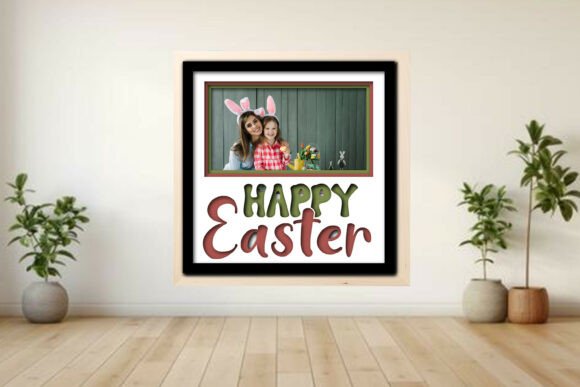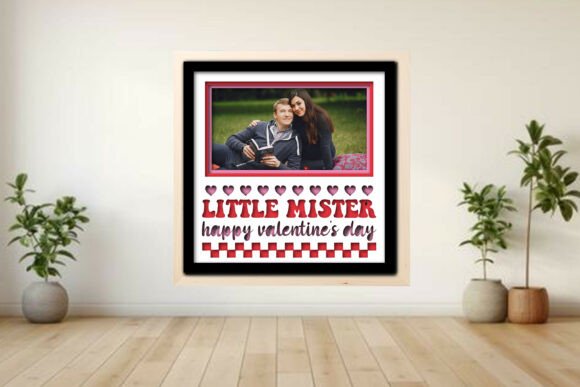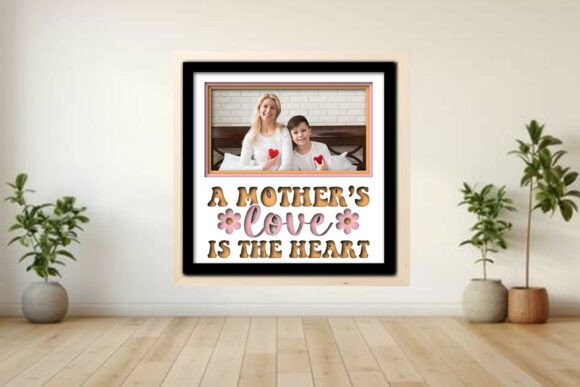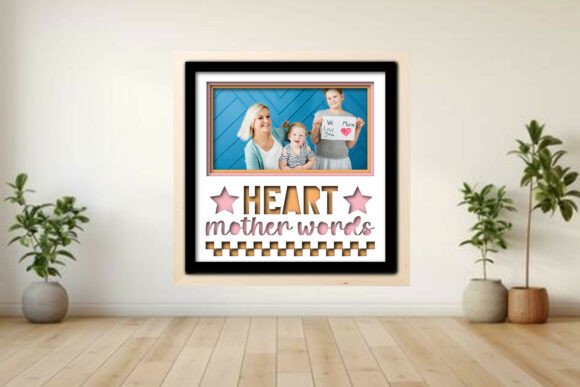
Happy Mother’s Day Photo Frame Shadow
As a designer who spends half my life troubleshooting stitch errors and the other half trying to make handmade products look professionally finished, I don’t just buy designs; I evaluate them. I look for that elusive balance between aesthetic charm and technical feasibility. When I first pulled up Happy Mother’s Day Photo Frame Shadow, my initial reaction was one of cautious optimism. It promises a layered shadow box effect, which is visually striking in digital mockups but can be a nightmare in real-world stitching if the file isn’t optimized. After reviewing its structure, potential applications, and practical limitations, here is my honest assessment of how this design holds up for both personal gifting and commercial craft business use.
The First Impression: Mood and Visual Personality
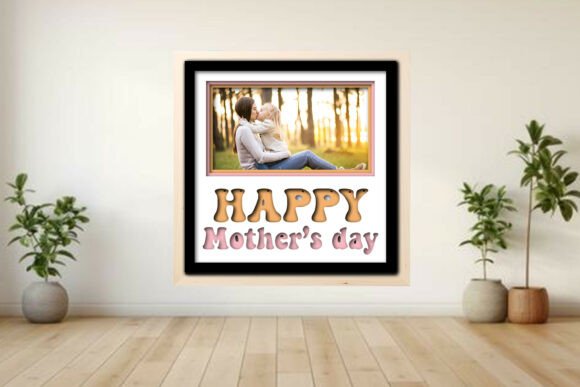
The moment you see the layout of Happy Mother’s Day Photo Frame Shadow, it communicates warmth and nostalgia. The concept of a photo frame is inherently sentimental, making it a perfect candidate for holiday embroidery. However, the "shadow" aspect is what sets it apart from standard monogram frames. In theory, this design uses negative space and layered elements to create depth, giving the finished piece a tactile, three-dimensional quality that flat satin stitches simply cannot achieve. This adds significant value to a handmade product, as it elevates a simple embroidered item into a keepsake.
The visual personality is playful yet elegant. It avoids being overly childish while remaining accessible enough for a broad audience. For an Etsy seller or someone running a small shop product line, this versatility is crucial. You aren’t limited to just one demographic; the design works for new mothers, grandmothers, and everyone in between. The clean lines suggest that the underlying vector work is solid, which is a good sign for digitization quality. If the source graphics are crisp, the resulting machine embroidery design should translate cleanly to fabric without muddled edges.
Real-World Application: Where This Design Shines
I have been thinking through specific scenarios where Happy Mother’s Day Photo Frame Shadow would truly excel. The most obvious application is the classic tote bag design. Imagine a sturdy canvas tote with this frame centered on the front pocket area. The shadow effect draws the eye inward, creating a focal point that begs for a printed photo to be tucked inside or overlaid digitally in your marketing materials. It transforms a basic accessory into a personalized gift.
Another strong contender is custom sweatshirt embroidery. During the spring season, when Mother’s Day falls, the weather can still be cool enough for light layers. A crewneck sweatshirt provides a stable, medium-weight fabric that handles layered designs well. The contrast between the soft fleece and the structured embroidery creates a premium feel. Similarly, this design could work beautifully on a kitchen towel or tea towel, adding a touch of homey charm to a hostess gift. The rectangular nature of a frame fits naturally within the long format of a towel without feeling cramped.
For those selling digital embroidery files or creating printable mockups, this design offers excellent versatility. It serves as a versatile design asset that can be scaled (within reason) and placed on various backgrounds. Whether you are showcasing it on a nursery wall hanging or a baby onesie, the theme remains consistent. It bridges the gap between apparel decorators and home decor makers, allowing you to cross-sell items to the same customer base.
Technical Considerations and Potential Pitfalls
However, no design is perfect, and Happy Mother’s Day Photo Frame Shadow has areas where caution is required. The primary concern with any shadow box or layered design is stitch density and stability. If the layers are too dense, the fabric can pucker, ruining the clean lines of the frame. Before committing to a production run, you must test the design on scrap fabric first. Pay close attention to how the machine handles the transition between different stitch types, such as satin stitch borders and fill stitch interiors.
Fabric choice is equally critical. While this design might look great on a smooth cotton canvas, it may struggle on textured fabrics like heavy terry cloth or stretchy knits unless proper stabilization is used. On stretchy fabric, the frame could distort, causing the "photo" area to warp. I strongly recommend using a cut-away stabilizer for any garments or items that will undergo frequent washing. For delicate items like baby clothes, ensure the back of the embroidery doesn’t feel scratchy against sensitive skin.
Another tricky area is small details. If the design includes tiny text or intricate decorative accents within the frame, check these closely. Tiny satin stitch elements can sometimes merge together if the thread tension isn’t perfect or if the hoop size is too small. Always inspect small details after hooping. Additionally, consider the color palette. On dark fabric, lighter thread colors might require a higher stitch count to achieve opacity, which increases the overall weight of the design. Conversely, on light fabrics, dark threads provide better contrast but may show every imperfection in the digitization.
Practical Designer Notes for Success
- Thread Color Contrast: Choose thread colors that pop against your chosen fabric. Don’t be afraid to experiment with metallics or variegated threads for the shadow layers to enhance depth.
- Hoop Size Confirmation: Verify the recommended hoop size before starting. If the design exceeds your machine’s standard hoop, you may need to re-digitize or embroider in sections, which can affect alignment.
- Black and White Mockups: Convert your design to black and white to check the balance of positive and negative space. This helps identify areas that might look cluttered once stitched.
- Licensing Check: Since you mentioned using this for commercial embroidery or selling on platforms like Etsy, double-check the license terms. Ensure you are permitted to sell finished goods made from this embroidery project.
- Stabilizer Selection: Use the correct stabilizer for your fabric type. A tear-away might suffice for a stiff hat brim, but a wash-away or cut-away is likely needed for a soft pillow cover.
Final Verdict: Value and Professional Appeal
Ultimately, Happy Mother’s Day Photo Frame Shadow feels like a thoughtful addition to any designer’s library. It strikes a balance between simplicity and sophistication, making it suitable for a wide range of personalized gifts. For the craft business owner, it offers high perceived value without requiring excessive stitching time, provided the digitization is efficient. The shadow box concept allows customers to feel they are receiving something unique and carefully crafted.
While it requires careful execution—particularly regarding fabric selection and stabilization—the reward is a professional-looking result that resonates emotionally with buyers. It’s not just another floral border; it’s a functional piece of art that invites interaction. Whether you are preparing inventory for a craft fair or updating your online store for the spring season, this design has the potential to drive engagement and sales. Just remember to test thoroughly, respect the limits of your equipment, and always prioritize the finish quality. When done right, this design delivers exactly what modern crafters and their customers are looking for: beauty, sentiment, and durability.